
Imperfect: AI Coaching for Real-Life Athletes
In a world filled with fitness apps promising “peak optimization,” “perfect routines,” and endless performance metrics, many athletes feel more overwhelmed than empowered. The reality is that most people balancing ambitious athletic goals are not professional athletes with unlimited time, recovery resources, or predictable schedules. They are founders, parents, engineers, students, freelancers, and busy professionals trying to train seriously while navigating real life.
That is exactly the problem that Imperfect aims to solve.
Founded in 2026 as part of the Y Combinator Spring 2026 batch, Imperfect is building an AI-powered coaching platform that adapts athletic training, recovery, and nutrition to the unpredictable realities of human life. Rather than forcing users into rigid performance systems, the company focuses on flexibility, personalization, and sustainability.
The startup positions itself not as another fitness tracker, but as an intelligent coaching companion for athletes who want to achieve difficult goals without sacrificing the rest of their lives in the process.
Why Do Traditional Training Apps Often Fail Real People?
For years, the fitness technology industry has promoted the idea that better performance comes from maximizing discipline, consistency, and optimization. Many applications are designed around ideal scenarios: perfect sleep, controlled stress, strict diets, and uninterrupted training schedules.
But life rarely works that way.
A stressful product launch, a sleepless night with children, travel delays, illness, work deadlines, or emotional burnout can completely disrupt even the most carefully designed training plan. Most existing systems respond poorly to these situations. Instead of adapting, they simply continue pushing the original schedule.
This creates guilt and frustration for users who already feel stretched thin.
Imperfect approaches the issue from a different perspective. Instead of asking users to organize their lives around a training plan, the platform adapts the plan around the user’s life.
That philosophy is embedded directly into the startup’s identity. The name “Imperfect” reflects the idea that athletes do not need flawless routines to achieve meaningful goals. What they need is a system capable of adjusting intelligently to reality.
The startup’s messaging openly rejects the “maximum suffering” mentality often promoted in endurance sports culture. Rather than glorifying burnout, Imperfect focuses on long-term sustainability and human-centered performance.
How Does Imperfect’s AI Coach Actually Work?
At its core, Imperfect functions as a personalized AI coach powered by user data.
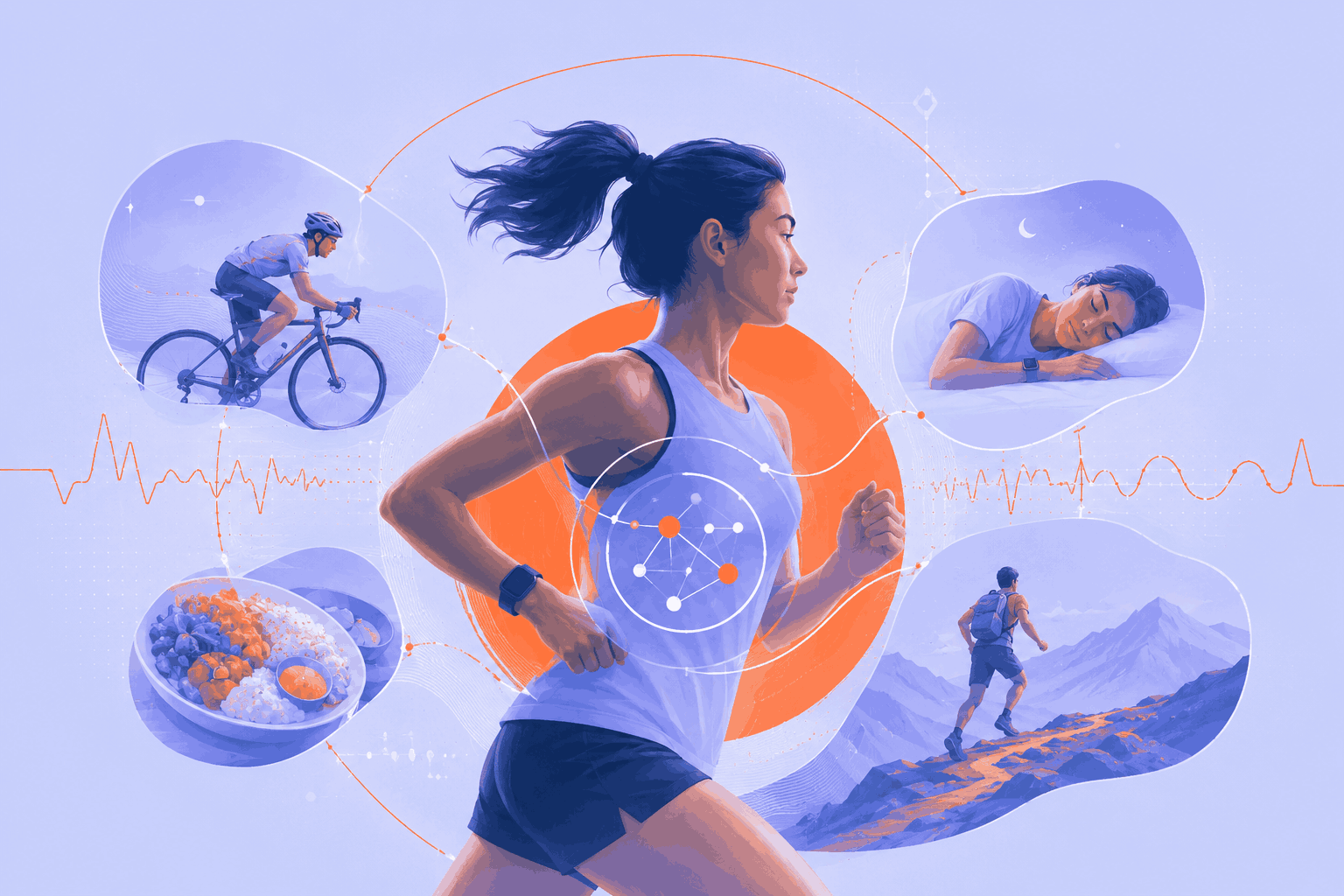
The application pulls information from connected fitness devices, health platforms, and training records to understand how an athlete’s body is responding over time. Using this data, the AI dynamically adjusts training plans, recovery recommendations, hydration strategies, and nutritional guidance.
Instead of static schedules, users receive adaptive coaching.
If a user sleeps poorly, experiences elevated stress, or shows signs of fatigue, the AI may recommend a lighter session or additional recovery time. If performance indicators improve, the system can increase intensity or modify goals accordingly.
This creates a coaching experience that behaves more like a human coach than a traditional training calendar.
The platform is designed for athletes preparing for real-world events and challenges. According to the company, users are already applying the app to goals such as:
- First triathlons
- Downhill mountain bike races
- Ultramarathons
- Endurance running events
- Multi-sport competitions
One highlighted example involves a professional ultramarathoner using Imperfect during recovery after placing second in a 50-mile trail race in Puerto Vallarta.
The startup’s broader vision appears to extend beyond race preparation. By continuously adapting recommendations based on lifestyle conditions, Imperfect is attempting to build a system that treats health and performance as interconnected rather than isolated categories.
Why Is Personalization Becoming Essential in Fitness Technology?
Fitness technology has become increasingly data-rich over the past decade. Smartwatches, heart-rate monitors, GPS trackers, sleep sensors, and recovery platforms generate enormous amounts of information every day.
The problem is not the lack of data.
The problem is interpretation.
Most athletes struggle to transform raw metrics into practical decisions. Knowing that recovery is “67%” or that sleep quality decreased slightly does not necessarily explain what should happen next.
Imperfect attempts to bridge this gap by turning data into actionable coaching.
Instead of merely displaying information, the AI interprets patterns and adjusts recommendations automatically. This reduces cognitive overload for users who do not want to spend hours analyzing dashboards and graphs.
The startup also recognizes that personalization goes beyond physiology.
Culture, habits, food preferences, language, humor, and lifestyle all influence how people interact with health systems. One of the company’s more memorable examples illustrates this philosophy clearly: users can switch protein recommendations from grams into relatable food equivalents like tacos or basmati rice.
This may sound playful on the surface, but it reveals something deeper about the product strategy.
Imperfect is trying to make coaching feel human.
Rather than presenting nutrition through sterile scientific terminology, the platform attempts to communicate in ways that align with users’ real lives and cultural identities.
That emotional accessibility could become a major competitive advantage in a crowded fitness market.
Who Is Behind Imperfect?
The company was founded by Matin Tamizi, an entrepreneur with both technical and startup-building experience.
Before launching Imperfect, Tamizi built and sold two fintech companies backed by major investors including Andreessen Horowitz and Stripe. He also created one of the most widely used open-source Garmin libraries, reportedly utilized by organizations including Stanford Health Care.
That combination of startup execution experience and fitness technology expertise gives Imperfect a strong technical foundation.
Importantly, the founder also appears to be building from personal experience.
Tamizi describes himself as a 41-year-old founder and ultramarathoner dealing with scoliosis while balancing training alongside startup responsibilities. This background shapes the product philosophy significantly.
Rather than designing for elite athletes with unlimited resources, Imperfect is being built by someone who personally understands the complexity of balancing performance goals with work stress, travel, recovery limitations, and physical constraints.
This authenticity may resonate strongly with users who feel alienated by extreme fitness culture.
How Is AI Changing the Future of Athletic Coaching?
Artificial intelligence is increasingly reshaping industries that rely on personalization, prediction, and behavioral guidance. Fitness and health coaching are natural candidates for this transformation.
Traditional coaching models are highly effective but difficult to scale. Personal coaches require time, communication, manual planning, and continuous monitoring. As a result, high-quality coaching often becomes expensive and inaccessible.
AI systems create the possibility of delivering adaptive coaching at scale.
Imperfect represents part of a broader movement toward AI-powered health companions capable of continuous learning and behavioral adaptation. Instead of generic plans, these systems can theoretically provide individualized recommendations to thousands or millions of users simultaneously.
However, many AI wellness tools still struggle with one major issue: emotional realism.
Users quickly abandon systems that feel robotic, judgmental, or disconnected from everyday life. This is where Imperfect’s positioning becomes particularly interesting.
The startup is not trying to create a hyper-disciplined robotic trainer. It is trying to create a flexible coach that understands imperfection itself.
That distinction could matter enormously.
People are more likely to sustain long-term health habits when systems adapt compassionately rather than punish inconsistency. By normalizing imperfect routines and fluctuating performance, the platform may help users maintain motivation during difficult periods instead of quitting entirely.
Could Imperfect Appeal Beyond Serious Athletes?
Although the company currently focuses heavily on race preparation and endurance sports, the underlying concept could potentially extend far beyond competitive athletes.
Many everyday users already face similar challenges:
- Difficulty balancing exercise with work
- Inconsistent sleep schedules
- Stress-related recovery issues
- Confusing nutrition advice
- Burnout from rigid fitness programs
An adaptive AI coach capable of responding dynamically to these variables could appeal to a much broader wellness audience.
The platform’s emphasis on personalization and real-life adaptability may position it somewhere between elite coaching software and consumer wellness applications.
That hybrid identity could become especially valuable as health technology continues shifting toward preventive and lifestyle-oriented solutions.
Rather than focusing exclusively on peak athletic performance, Imperfect could evolve into a broader system for sustainable human performance management.
What Makes Imperfect Different From Other AI Fitness Platforms?
The AI fitness market is becoming increasingly crowded. Many startups are exploring automated coaching, wearable integration, and personalized training systems.
Imperfect’s differentiation appears to come from philosophy rather than raw functionality alone.
Most competitors focus heavily on optimization.
Imperfect focuses on adaptation.
That subtle difference changes the emotional tone of the product significantly. Instead of framing users as underperforming machines needing improvement, the platform acknowledges complexity, inconsistency, and humanity.
This perspective aligns with larger cultural shifts happening in wellness and productivity spaces. Increasingly, consumers are rejecting extreme optimization culture in favor of sustainability, balance, and mental well-being.
The startup’s branding, language, and product philosophy all reinforce this direction.
Even the idea of measuring carbohydrates in bowls of rice rather than abstract nutritional metrics reflects a broader effort to make fitness feel accessible rather than clinical.
In many ways, Imperfect is building not only an AI coach, but also a new emotional framework for athletic ambition.
What Could the Future Hold for Imperfect?
As wearable devices become more sophisticated and biometric data grows increasingly detailed, platforms like Imperfect may gain access to richer insights about human performance and recovery.
Future versions of adaptive AI coaching systems could potentially integrate:
- Continuous glucose monitoring
- Advanced sleep analysis
- Stress detection
- Hormonal trends
- Injury prediction
- Mental fatigue monitoring
- Environmental performance factors
If Imperfect successfully combines these capabilities with emotionally intelligent coaching, it could position itself at the forefront of next-generation fitness technology.
The company also enters the market at a time when AI adoption is accelerating rapidly across consumer applications. Users are becoming more comfortable interacting with intelligent assistants and algorithmic recommendations in daily life.
This creates favorable conditions for AI-native coaching experiences.
Still, success will likely depend on execution. The fitness industry is highly competitive, and maintaining user engagement over time remains one of the biggest challenges for wellness applications.
Imperfect’s advantage may ultimately come from its ability to feel relatable.
The startup is not promising perfection. It is promising progress that survives real life.
And for many modern athletes, that may be exactly what they have been waiting for.